OSHA vs. CSA Forklift Training for Canada Expansion
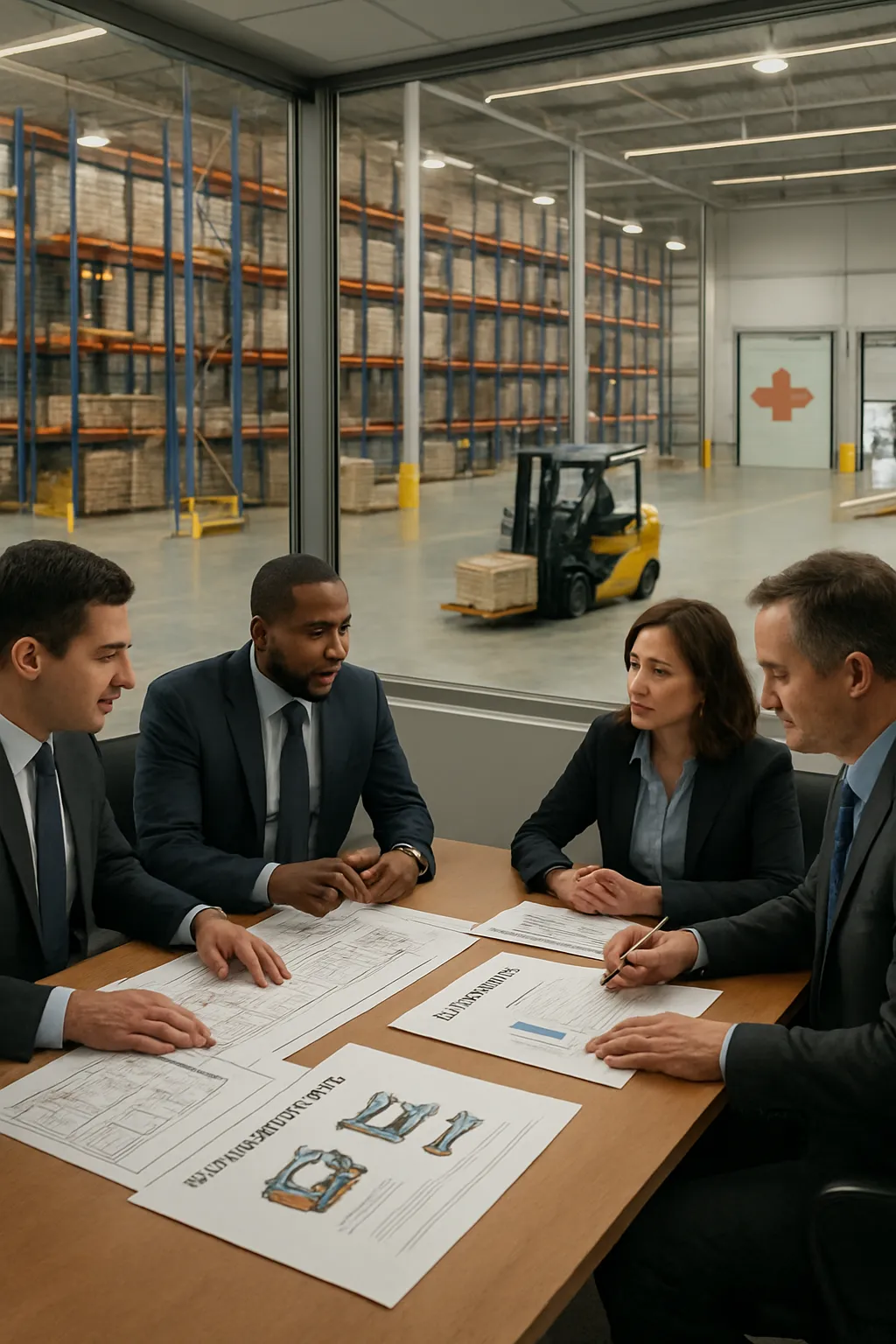
Expanding warehouse operations across the Canadian border presents exciting opportunities for US businesses. Whether you are opening a new distribution centre, supporting e-commerce growth, or serving Canadian customers more efficiently, one important area deserves attention before your first forklift arrives: operator training and compliance.
Many US fleet managers assume that forklift certification requirements are the same on both sides of the border. While the core principles of safe forklift operation remain consistent, Canada follows a different regulatory framework than the United States.
Understanding the differences between OSHA and CSA B335 can help your business stay compliant, protect employees, and avoid unnecessary operational delays.
- OSHA requirements
- CSA B335 guidance
- Provincial compliance
- Canada expansion planning

Understanding OSHA requirements in the United States
In the United States, forklift operator training is governed by the Occupational Safety and Health Administration under 29 CFR 1910.178.
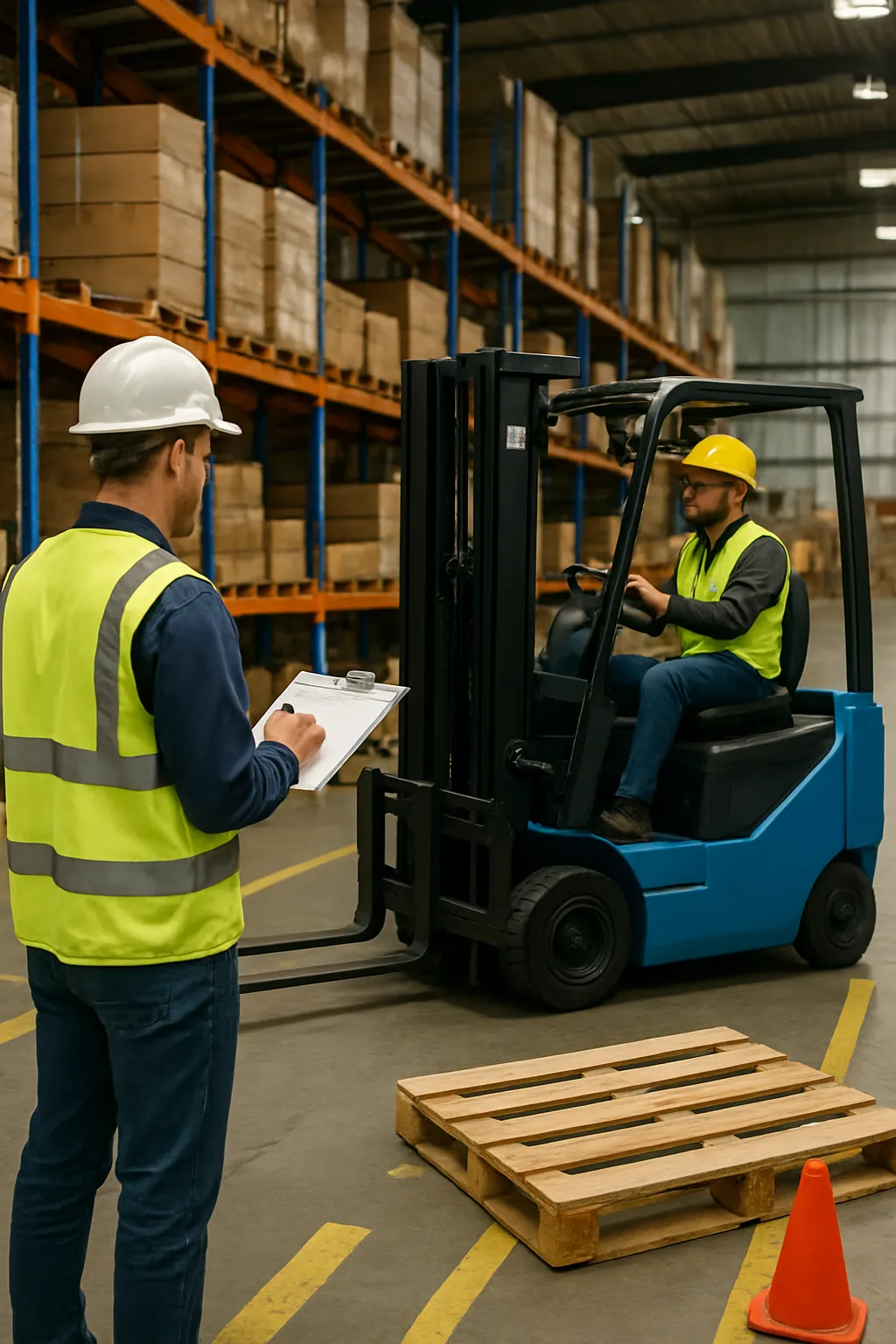
OSHA requires employers to ensure forklift operators are properly trained and evaluated before operating powered industrial trucks.
Training generally includes
- Formal classroom instruction
- Practical hands-on training
- Workplace-specific evaluation
- Refresher training when necessary
- Employer documentation

How Canada takes a different approach
Canada does not have a single national forklift licensing system. Instead, employers follow guidance developed through the Canadian Standards Association, particularly CSA B335, Safety Standard for Lift Trucks, while also complying with provincial occupational health and safety legislation.
Although CSA B335 is widely recognized as the national best-practice standard, workplace safety enforcement is handled at the provincial and territorial level.
This means compliance requirements can vary depending on where your facility operates.
- National CSA guidance
- Provincial legislation
- Territorial enforcement
- Employer oversight
OSHA vs. CSA B335: What are the main differences?
Although both standards focus on safe forklift operation, there are several important distinctions businesses should understand before operating across the border.
OSHA
- Federal regulatory framework
- OSHA establishes nationwide requirements
- Employer-led operator certification
- Standardized federal enforcement
- Employers remain responsible for workplace-specific evaluation
CSA B335
- National safety standard supported by provincial regulations
- Provincial enforcement agencies oversee compliance
- Employer responsibility remains essential
- Requirements may vary by province
- Local workplace legislation must also be considered
Provincial requirements matter
One of the biggest differences between the two countries is that Canada's workplace safety regulations are administered provincially.
Expectations may differ regarding documentation, training providers, employer responsibilities, operator evaluations, inspection procedures, or enforcement practices.
- British Columbia
- Alberta
- Ontario
- Quebec
- Manitoba

What should US companies prepare before expanding?
Moving into Canada does not necessarily require rebuilding your entire forklift training program. However, several important areas should be reviewed before operators begin working at a Canadian facility.
Evaluate existing training materials
Determine whether your current OSHA-based program aligns with CSA recommendations and provincial workplace expectations.
Update company policies
Canadian locations may require different documentation procedures, inspection records, practical evaluations, or internal reporting processes.
Train local supervisors
Managers overseeing Canadian operations should understand provincial workplace safety responsibilities and reporting requirements.
Review equipment requirements
Different facilities may require different forklift classes based on layouts, aisle widths, lifting capacities, loads, and operating environments.

Equipment selection matters too
Training is only one part of a successful expansion. Choosing equipment that matches your Canadian operation is equally important.
Questions to consider
- Will forklifts operate indoors or outdoors?
- Are electric forklifts better suited for your warehouse?
- Do you need reach trucks for narrow aisles?
- Will rough terrain forklifts be required?
- What battery charging infrastructure is available?
Selecting the right equipment from the beginning improves productivity while supporting operator safety.
Build a consistent safety culture
Although OSHA and CSA regulations differ, their shared objective remains the same: protecting workers through proper training and safe equipment operation.
Companies operating across both countries should focus on creating consistent internal safety standards that meet or exceed local regulations.
A strong safety culture includes
- Initial operator training
- Practical evaluations
- Regular refresher training
- Daily equipment inspections
- Supervisor oversight
- Ongoing safety education
When safety becomes part of everyday operations, compliance naturally follows.
Common mistakes US companies make
Businesses expanding into Canada sometimes make assumptions that can create compliance gaps, documentation problems, or operational delays.
- Assuming OSHA certification automatically satisfies Canadian requirements
- Assuming every province follows identical regulations
- Assuming equipment specifications remain the same across facilities
- Assuming existing documentation does not require updating
Plan before your first Canadian delivery
Expanding into Canada offers tremendous opportunities for logistics providers, manufacturers, retailers, and warehouse operators. Success depends on more than finding the right location; it requires understanding local compliance expectations, operator training, and equipment needs.
Before opening a Canadian location, it is important to understand the forklift certification requirements in every province to ensure your operators meet local compliance expectations.
Reviewing provincial requirements early helps reduce onboarding delays and supports safer workplace operations.
For additional equipment guidance, industry insights, and nationwide buying resources, explore Canada's complete forklift resource. Whether you are researching forklift types, comparing equipment, or planning fleet expansion, it offers practical information to help businesses make informed decisions across the Canadian market.