The ROI of electric forklifts: How modern tech reduces training gaps
The forklift industry is undergoing one of its biggest transformations in decades. Across warehouses, manufacturing facilities, distribution centres, and logistics operations, businesses are replacing internal combustion forklifts with electric and lithium-ion models.
Lower operating costs and environmental benefits often drive these purchasing decisions, but another advantage is gaining attention: improved operator training and workplace safety.
- Lower operating costs
- Smarter safety systems
- More consistent training
- Better fleet visibility
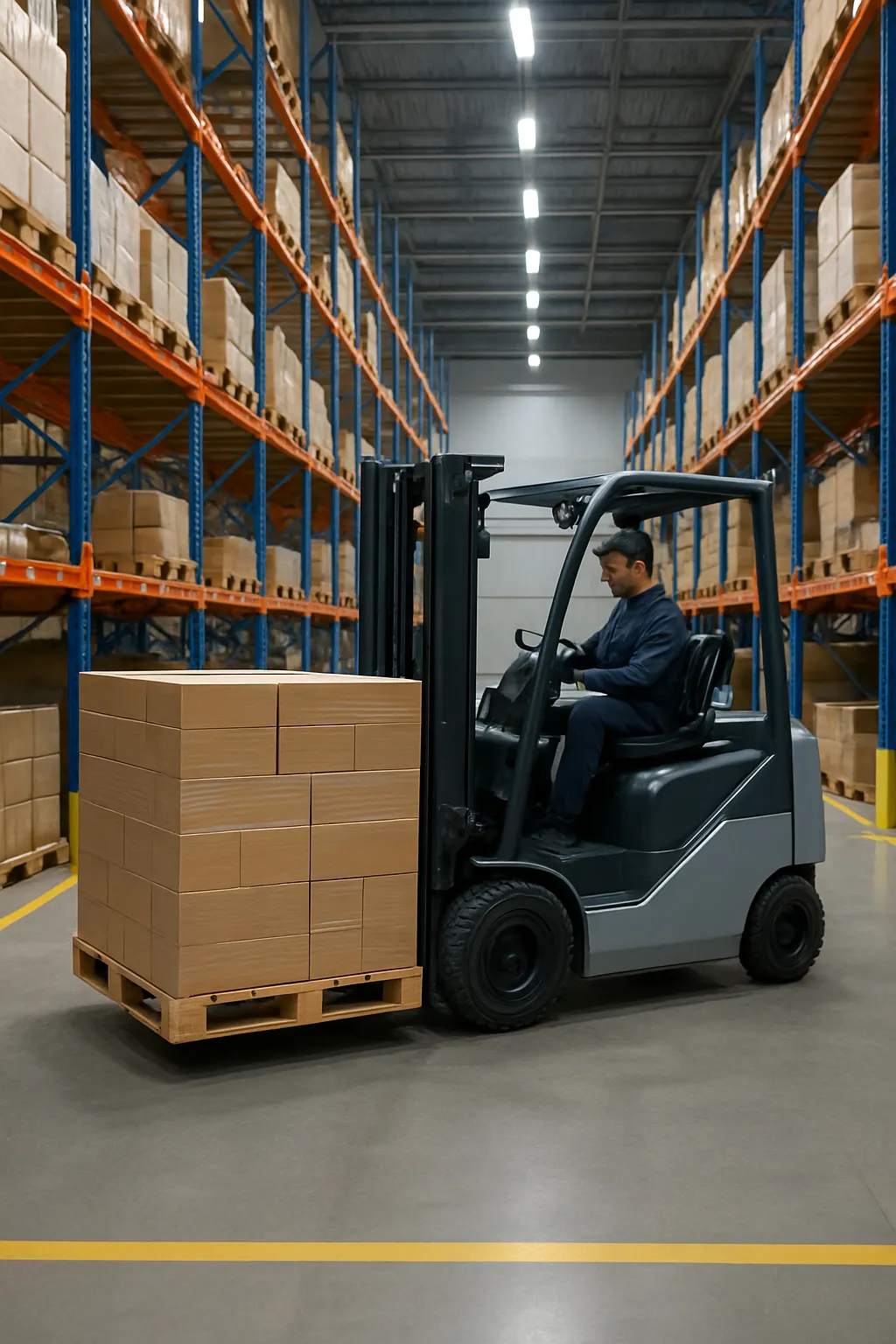
Electric forklifts can deliver value beyond fuel savings
Modern electric forklifts incorporate advanced technology that helps operators learn faster, reduces common handling errors, and supports safer day-to-day operations. For organizations managing growing fleets, this technology can deliver measurable returns beyond energy savings alone.
Key takeaway: The return on an electric forklift investment can include lower maintenance costs, improved equipment availability, more consistent operator performance, better training insights, and fewer preventable handling errors.
The shift from internal combustion to electric fleets
Electric forklifts are becoming an increasingly important part of Canada's material handling market. Rising fuel costs, stricter environmental expectations, and improvements in lithium-ion battery technology are encouraging businesses to modernize their fleets.
Compared with traditional propane or diesel equipment, electric forklifts can provide several operational advantages.
- Lower operating costs
- Reduced maintenance requirements
- Zero tailpipe emissions
- Quieter operation
- Improved energy efficiency
- Better indoor air quality
Technology is changing the operator learning experience
Traditional internal combustion forklifts rely heavily on operator experience to manage acceleration, braking, and load handling. Engine response, transmission behaviour, and changing equipment conditions can add complexity for new operators.
Many modern electric forklifts include digital features designed to help operators develop safer and more consistent habits from the beginning.
- Programmable speed limits
- Automatic travel-speed reduction
- Regenerative braking
- Digital operator displays
- Load stability assistance
- Electronic steering controls
- Performance monitoring systems
These features create a more predictable operating experience, allowing new operators to build confidence while reducing unnecessary risks.
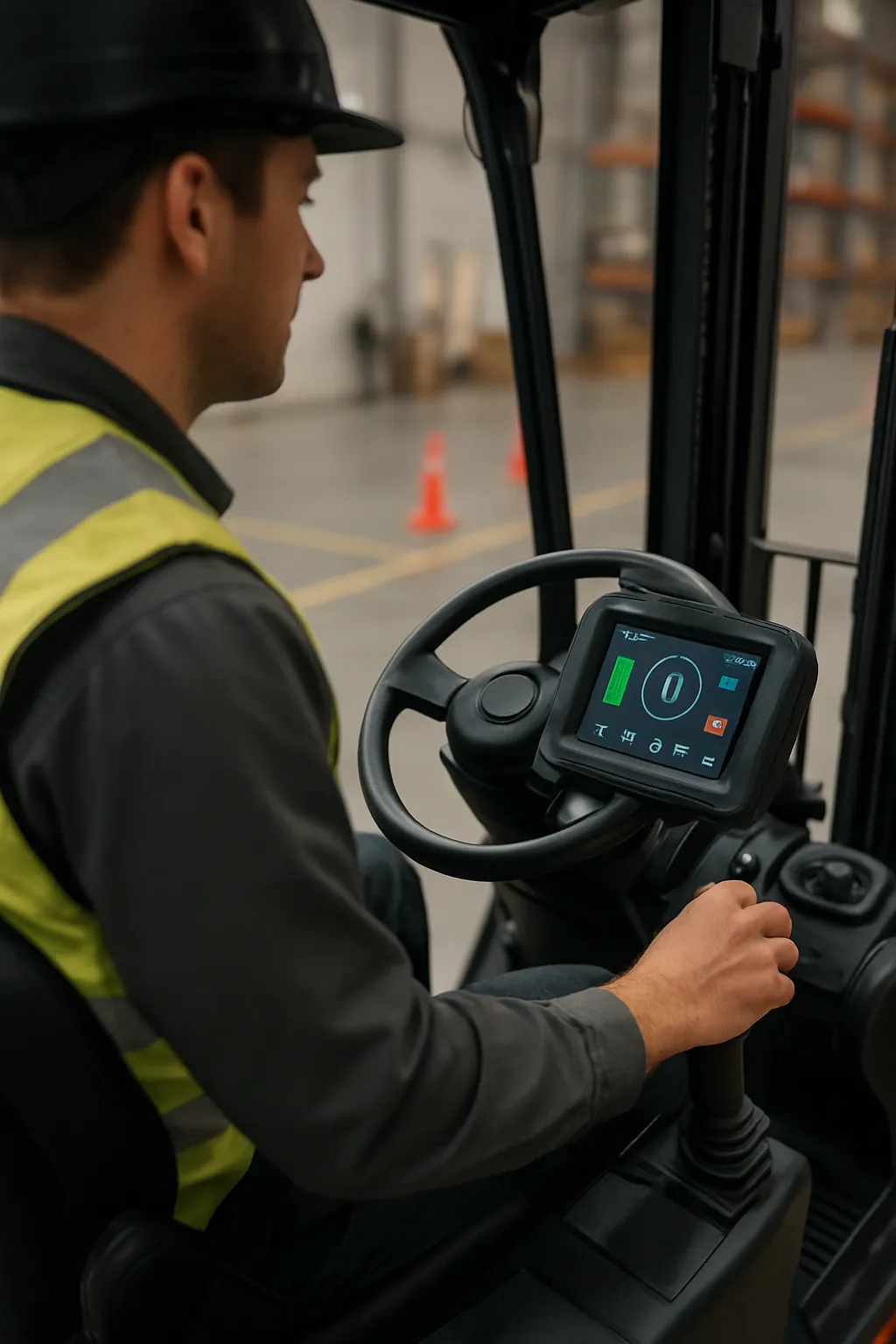
How electric equipment can help close the training gap
Many warehouses face ongoing labour shortages and employee turnover. As experienced operators retire or move into supervisory roles, employers must train new staff more frequently. Electric forklift technology can help make this learning process more consistent.
Smoother machine response
Consistent acceleration and smoother braking make it easier for instructors to demonstrate proper driving techniques and for trainees to repeat them.
More focus on the environment
When operators spend less time managing engine performance, they can focus more closely on pedestrians, intersections, aisle conditions, loads, and warehouse traffic.
Immediate digital feedback
Operator displays help trainees understand battery levels, machine status, warning indicators, operating modes, and maintenance reminders without relying solely on instructor intervention.
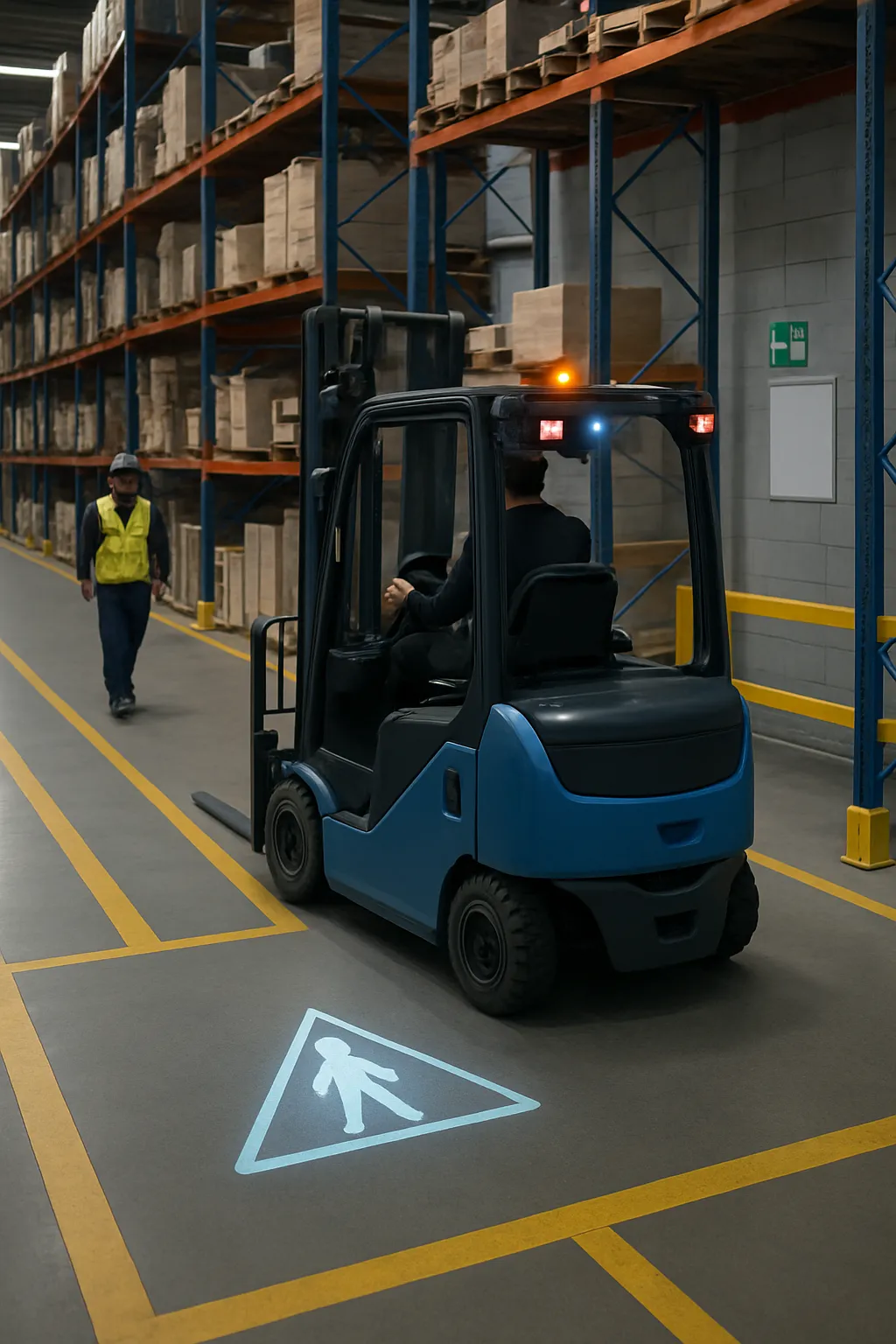
Built-in safety features support better training outcomes
Modern forklift training emphasizes more than basic driving skills. Operators must learn to recognize hazards, protect pedestrians, inspect equipment, maintain load stability, and work safely in changing warehouse environments.
Electric forklifts can support these objectives through integrated safety systems such as:
- Automatic speed reduction while cornering
- Operator presence sensors
- Seatbelt reminders
- Controlled acceleration
- Enhanced visibility displays
- Programmable operating modes
Important: Built-in technology does not replace formal instruction, workplace-specific familiarization, practical evaluation, supervision, or safe operating procedures. It reinforces the behaviours operators are trained to follow.
Understanding the financial return
The return on investment for electric forklifts extends beyond the difference between fuel and electricity costs. Fleet managers should evaluate the full operating impact over the equipment's expected service life.
| ROI factor | What to evaluate | Potential business impact |
|---|---|---|
| Energy expenses | Fuel consumption, electricity rates, charging schedules, and peak-demand costs | Lower and more predictable operating expenses |
| Maintenance | Engine servicing, filters, fluids, moving components, and battery maintenance | Reduced service requirements and fewer scheduled interruptions |
| Equipment uptime | Charging availability, battery performance, service intervals, and unexpected downtime | More productive operating hours |
| Operator productivity | Control consistency, visibility, ergonomics, and equipment availability | More efficient material movement across each shift |
| Training efficiency | Learning time, digital feedback, operating modes, and coaching requirements | More consistent onboarding and workforce development |
| Workplace safety | Impact events, speed management, operator behaviour, and hazard exposure | Fewer disruptions and stronger safety performance |
| Battery lifespan | Battery chemistry, charging practices, operating conditions, and replacement timing | Improved long-term fleet planning |
When evaluating long-term fleet costs, comparing Electric vs. Propane Forklifts can help managers understand differences in ownership costs, maintenance requirements, emissions, equipment availability, and operational performance before making a purchasing decision.
Lithium-ion batteries can improve fleet availability
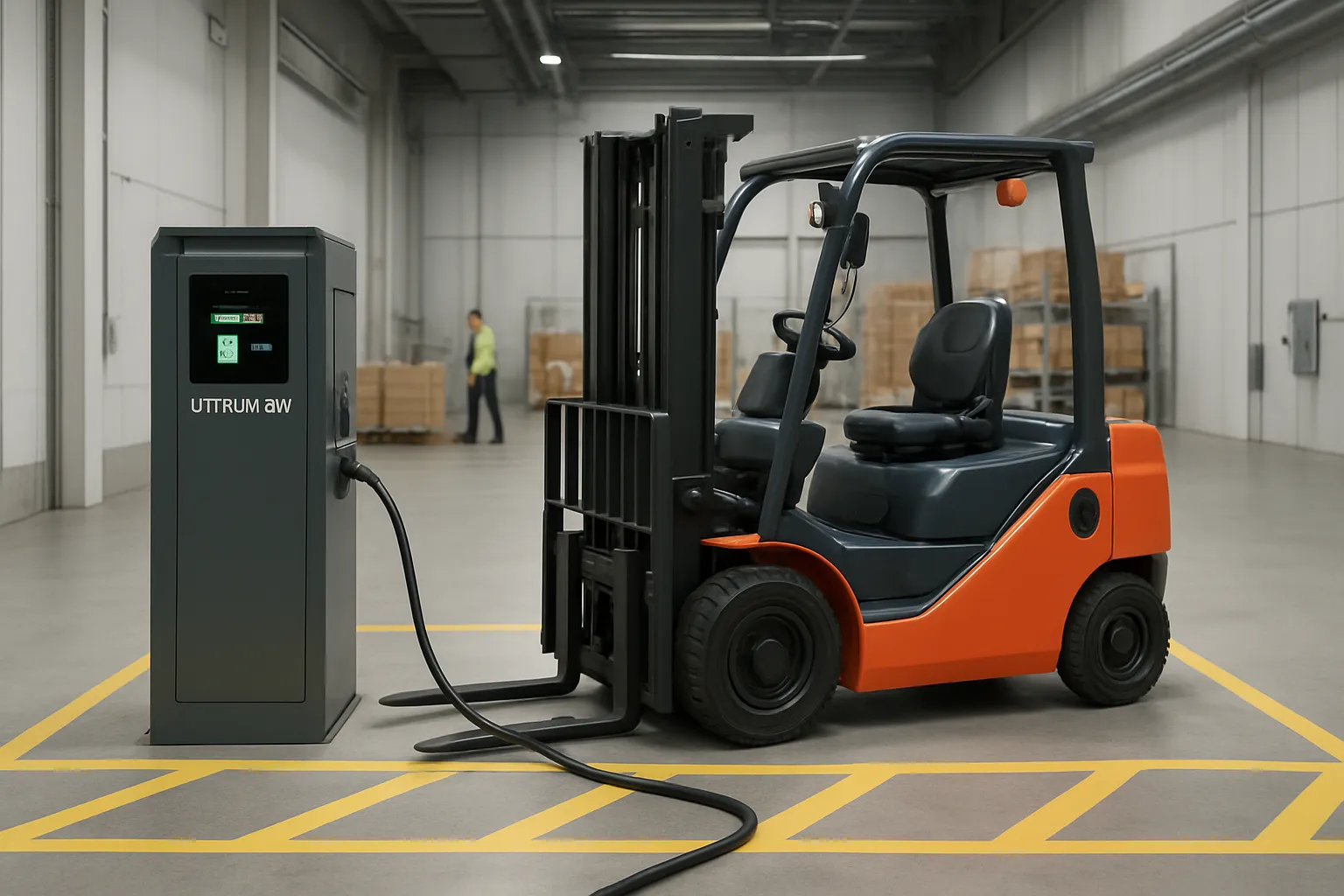
Battery technology has advanced rapidly in recent years. Unlike traditional lead-acid batteries, lithium-ion systems can provide operational advantages that simplify charging routines and increase equipment availability.
- Faster charging
- Opportunity charging during scheduled breaks
- Reduced maintenance requirements
- Longer potential service life
- Consistent performance throughout the shift
These advantages can allow equipment to remain available for longer periods, reduce avoidable downtime, and simplify daily fleet management. For operations running multiple shifts, improved availability can create meaningful productivity gains.
Digital fleet management creates better training insights
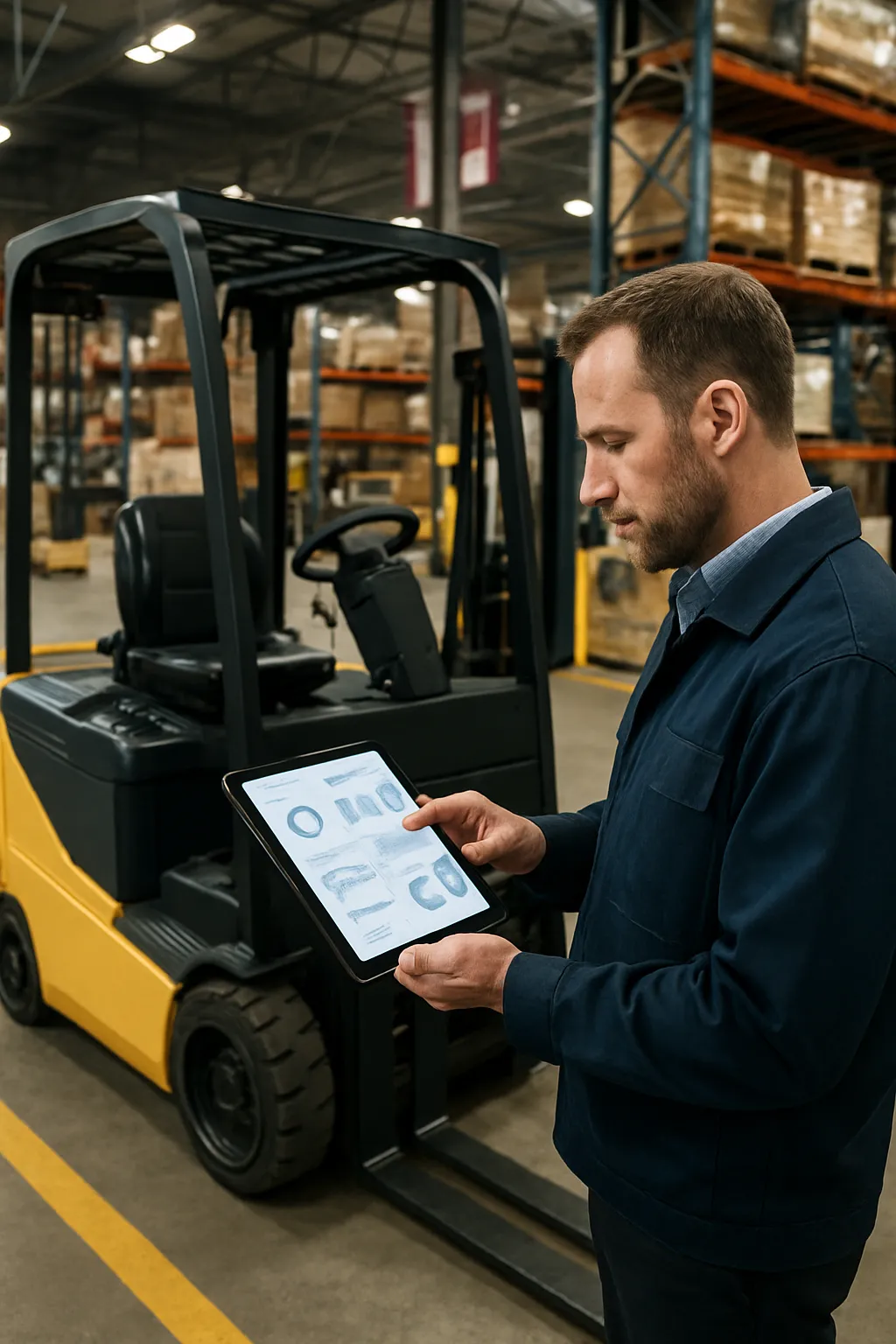
Today's electric forklifts increasingly integrate with fleet management software. These connected systems give managers greater visibility into how equipment is being used across operators, shifts, departments, and facilities.
Depending on the equipment and software platform, managers may be able to monitor:
- Equipment utilization
- Impact events
- Battery health
- Operator access
- Maintenance schedules
- Safety incidents
This data supports continuous improvement by identifying coaching opportunities before small issues become larger operational problems. Instead of relying solely on incident reports, businesses can use real-world performance information to provide more focused operator support.
Choosing the right electric forklift for the operation
Not every warehouse requires the same equipment. Selecting a forklift that matches the operating environment helps maximize productivity, equipment availability, operator confidence, and training effectiveness.
Aisle and facility layout
Review aisle width, turning space, floor conditions, pedestrian routes, doors, ramps, and congestion points.
Load requirements
Confirm load capacity, load dimensions, attachment requirements, load centres, and expected lifting heights.
Shift demands
Consider operating hours, charging windows, multi-shift use, peak periods, and the number of available machines.
Work environment
Evaluate indoor and outdoor use, temperature conditions, dock work, trailers, surface quality, and exposure to moisture.
Businesses exploring modern material handling equipment can learn more about electric forklift technology while reviewing equipment options designed for warehouses, manufacturing facilities, and distribution centres across Canada.
Build a safer and more adaptable material handling fleet
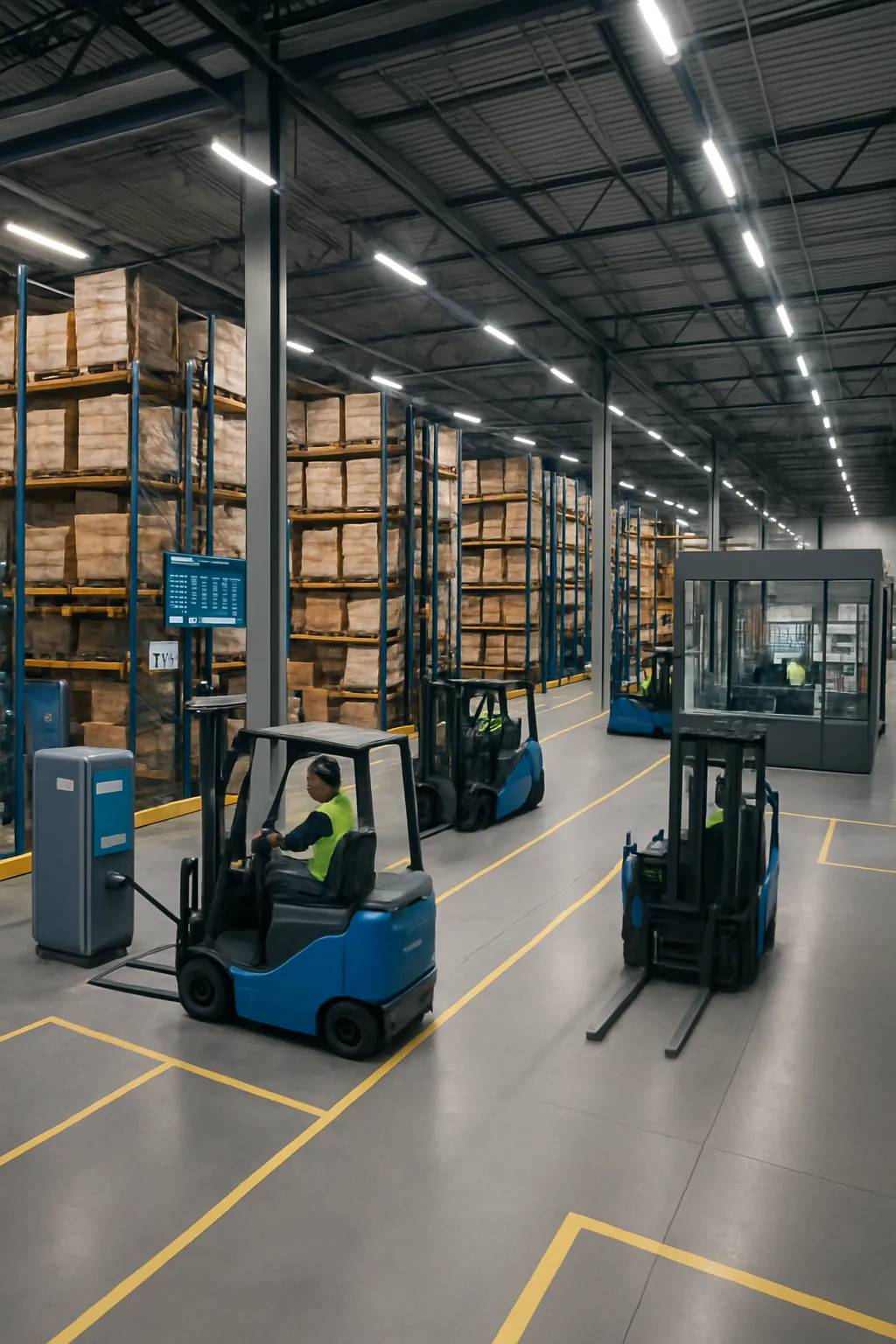
Warehouse automation, connected equipment, and digital safety systems continue to reshape material handling operations. Electric forklifts are well positioned to support these developments because many models are designed around integrated electronics, software controls, monitoring systems, and configurable operating settings.
Organizations investing in electric fleets today may be better prepared to adopt future safety, productivity, automation, and workforce-development improvements.
Electric forklifts can strengthen both fleet performance and workforce development
The shift from internal combustion forklifts to electric and lithium-ion equipment goes well beyond sustainability. Electric models can combine lower operating costs with advanced safety features, digital controls, consistent machine response, and performance-monitoring tools that make operator development more effective.
For fleet managers, the result can be a stronger return on investment through improved productivity, reduced maintenance, enhanced safety, increased equipment availability, and more consistent workforce training.
As businesses continue modernizing their operations, investing in electric forklift equipment is not simply a purchasing decision. It can become a long-term strategy for building a safer, more efficient, and better-trained workforce.
Common questions about electric forklift ROI and training
Can electric forklift technology replace operator training?
No. Features such as speed controls, operator-presence systems, digital warnings, and performance monitoring can reinforce safe behaviour, but they do not replace formal instruction, workplace-specific training, practical evaluation, or supervision.
How can electric forklifts make new operators easier to train?
Electric forklifts often provide smoother acceleration, more consistent braking, simplified controls, and immediate digital feedback. This can help trainees concentrate on load handling, pedestrians, intersections, and warehouse conditions.
What should businesses include in an electric forklift ROI calculation?
A complete calculation should consider energy costs, maintenance, equipment uptime, battery lifespan, operator productivity, charging infrastructure, training efficiency, safety performance, and the expected service life of the equipment.
Why are lithium-ion batteries useful for multi-shift operations?
Lithium-ion systems can support faster charging, opportunity charging, reduced maintenance, and more consistent performance throughout the shift. These benefits can improve equipment availability in operations with limited charging windows.