Forklift operators need refresher training when their operation shows a gap, when workplace conditions change, when they move to a different truck type, or after an accident or near-miss. OSHA also requires an evaluation of operator performance at least once every three years.
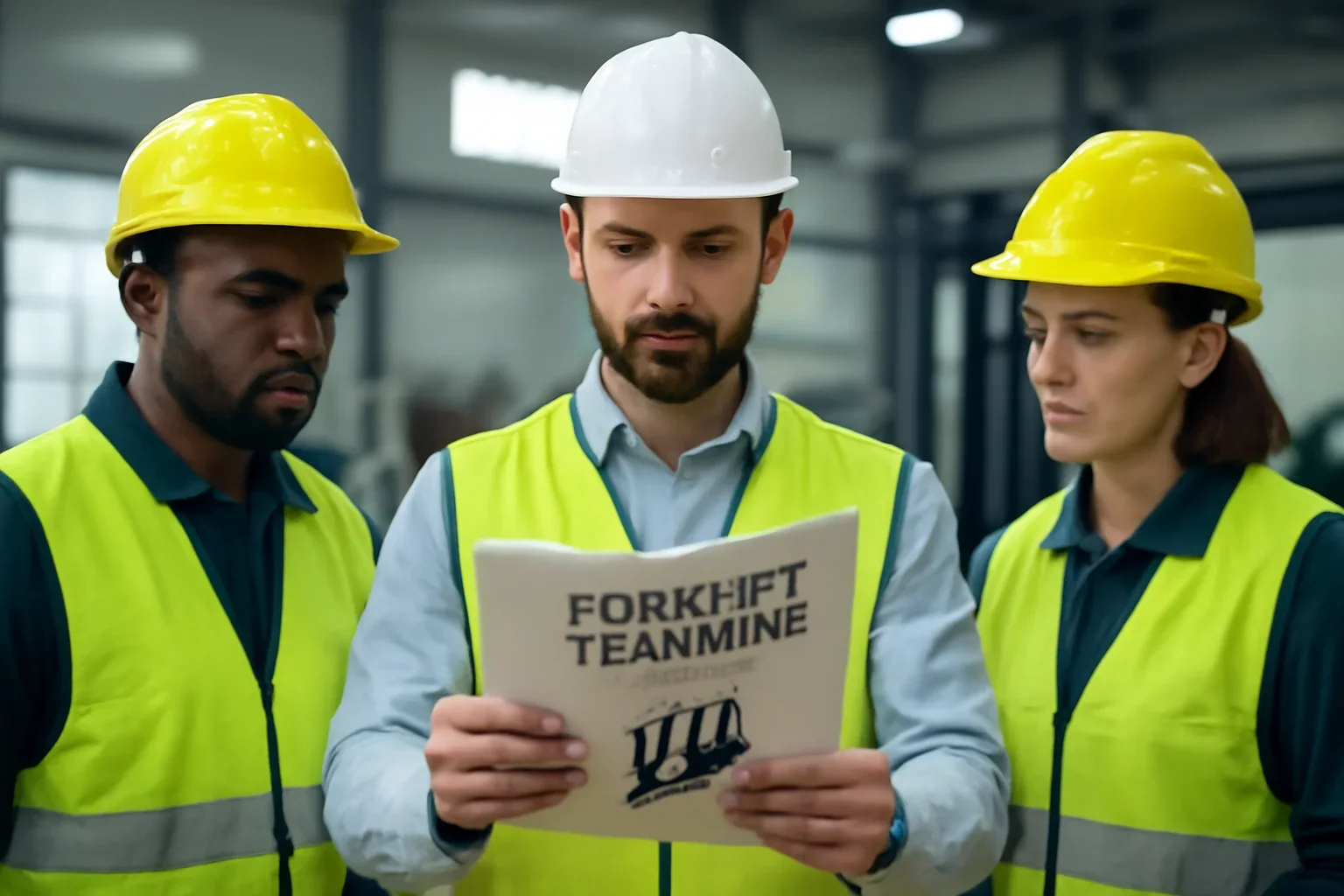
Waiting for a calendar reminder is not enough. Unsafe operation, an accident or near-miss, a weak evaluation result, a different truck assignment, or a meaningful workplace change can all mean refresher training needs to happen before the normal cycle catches up.
The three-year evaluation gives employers a predictable checkpoint, but it should not replace day-to-day supervision. Teams that keep evaluations visible in one record system are usually better prepared to act when retraining is needed sooner.
The simplest approach is to connect renewal timing, incident follow-up, and evaluation records in one workflow. That makes it easier to show why refresher training happened and what changed afterward.
Waiting for a calendar reminder is not enough. Unsafe operation, an accident or near-miss, a weak evaluation result, a different truck assignment, or a meaningful workplace change can all mean refresher training needs to happen before the normal cycle catches up.
The goal is not simply to finish training. It is to give the employer a process that stays usable when supervisors change, audits happen, or operators move between roles and locations.
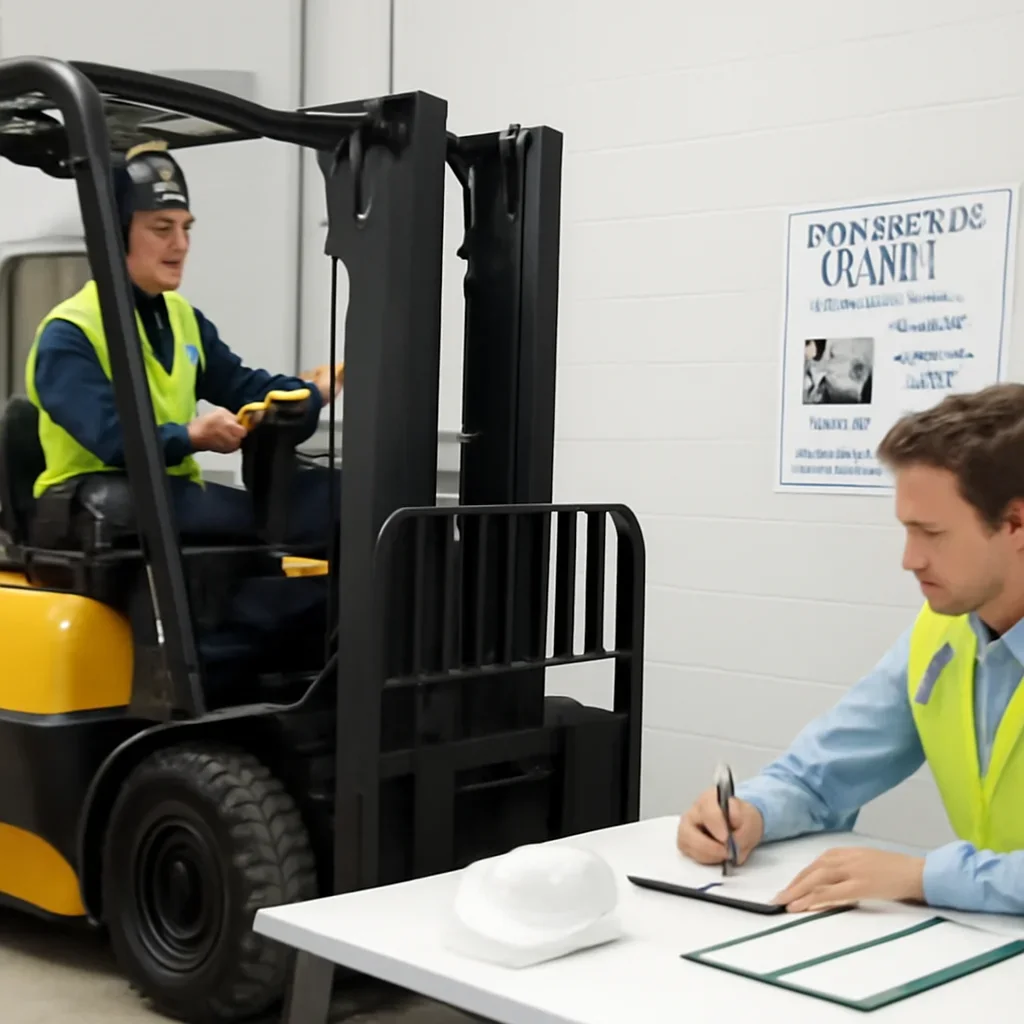
Most forklift training problems become easier to control when the team standardizes assignments, practical evaluations, and record storage instead of managing each piece in a different place.
If this topic is already causing friction in your operation, the fastest next step is usually to connect it to a more reliable workflow through Related pages: forklift recertification, compliance dashboard, and OSHA forklift requirements.

Share your team structure, recordkeeping process, and the issue you are trying to solve. We will point you toward the right product, service, or support page.