Temporary worker forklift training usually works best when the staffing agency and host employer agree on who handles initial training, who covers site-specific expectations, and where the documentation is kept.

The biggest problems usually come from assumptions. One side expects training to be complete, the other expects site-specific review to happen elsewhere, and the record trail ends up incomplete.
Even if a temporary worker arrives with prior training, the host employer still needs to make sure the operator can work safely in that environment, with that equipment, under those conditions.
Use a shared checklist, clear assignment rules, and one agreed record process so operators do not start work before the right steps are completed.
The biggest problems usually come from assumptions. One side expects training to be complete, the other expects site-specific review to happen elsewhere, and the record trail ends up incomplete.
The goal is not simply to finish training. It is to give the employer a process that stays usable when supervisors change, audits happen, or operators move between roles and locations.
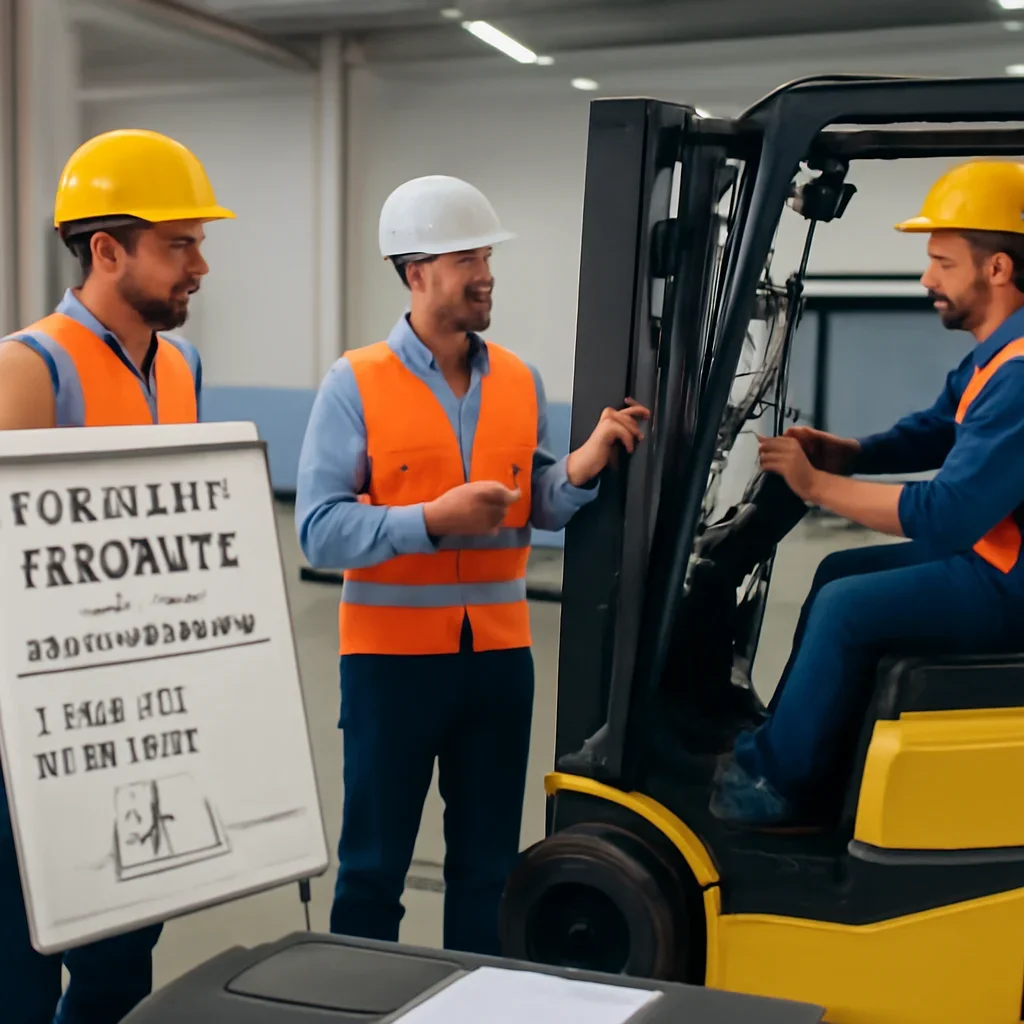
Most forklift training problems become easier to control when the team standardizes assignments, practical evaluations, and record storage instead of managing each piece in a different place.
If this topic is already causing friction in your operation, the fastest next step is usually to connect it to a more reliable workflow through Related pages: temporary worker training, staffing agency solutions, and temp worker guide.

Share your team structure, recordkeeping process, and the issue you are trying to solve. We will point you toward the right product, service, or support page.