Digital Pre-Shift Inspections Replace Paper Files
Daily forklift inspections are one of the simplest yet most important safety practices in any warehouse or industrial facility. Before an operator moves the first pallet of the day, the equipment should be checked to identify mechanical issues, safety concerns, or signs of wear that could lead to accidents or costly downtime.
For years, many companies relied on paper inspection forms or spreadsheets to document these checks. While that approach once met basic compliance requirements, today's fast-paced operations demand a more reliable and efficient solution.
As workplaces become increasingly digital, electronic inspection checklists are replacing paper records for good reason.
- Digital checklists
- Pre-shift inspections
- Maintenance reporting
- Audit-ready records

The problem with paper inspection records
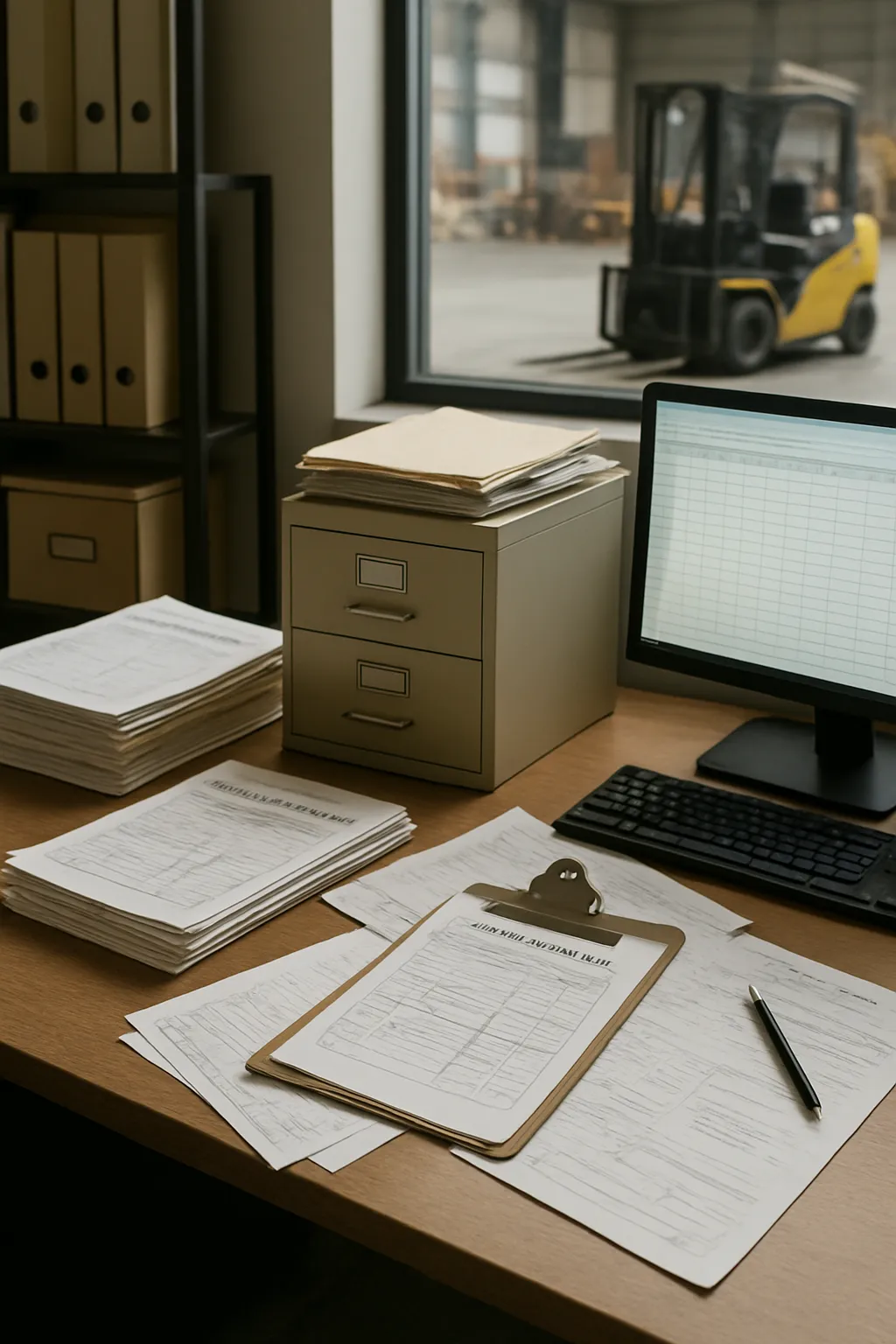
Paper checklists are familiar, but they come with several limitations.
Safety managers often encounter issues such as:
- Missing inspection forms
- Incomplete checklists
- Illegible handwriting
- Delayed reporting of equipment issues
- Lost documentation during audits
- Time-consuming manual filing
Without real-time visibility, important maintenance concerns may go unnoticed until equipment failure occurs. In busy warehouses, these inefficiencies can increase safety risks while making compliance more difficult.
Why daily inspections matter
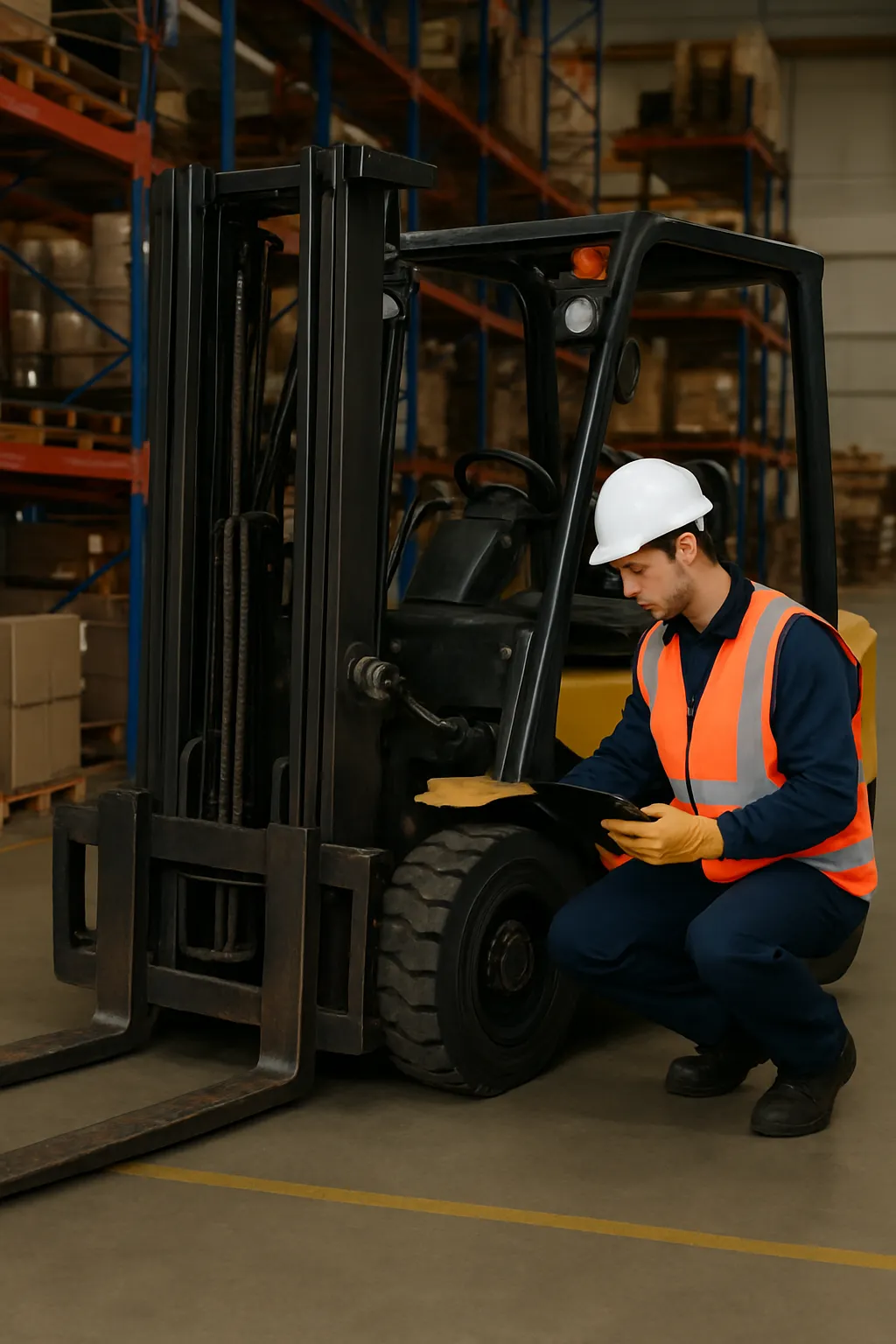
Pre-shift inspections are designed to identify problems before they become hazards.
Operators typically inspect
- Brakes
- Steering
- Tires
- Forks
- Hydraulic systems
- Mast operation
- Horns and alarms
- Lights
- Seat belts
- Battery or fuel systems
Finding a damaged component before equipment enters service protects both employees and the business.
Regular inspections also help extend equipment life and reduce unexpected repair costs.
Digital checklists improve accuracy
Digital inspection platforms simplify the entire process. Instead of carrying paper forms, operators complete inspections using a smartphone, tablet, or dedicated device.
Complete records
Required fields can prevent operators from submitting incomplete inspection reports.
Verified completion
Time stamps, date stamps, and digital signatures create a clearer record of each inspection.
Automatic storage
Completed inspections can be submitted and stored without manual filing or spreadsheet entry.
Standardized inspection questions
Every operator follows the same inspection process across shifts, facilities, and equipment types.
Required response fields
Operators cannot accidentally skip important equipment or safety checks.
Instant submission
Inspection results become available as soon as the operator completes the checklist.
Organized digital records
Safety and maintenance teams can retrieve inspection histories without searching through paper files.
Better compliance for OSHA and CSA standards
Both OSHA requirements in the United States and Canadian workplace safety expectations emphasize equipment inspections and proper documentation.
Digital systems make compliance easier by creating organized records that can be retrieved quickly during inspections or audits.
Instead of searching through filing cabinets or spreadsheets, safety managers can instantly access inspection histories, maintenance records, and corrective actions.

Faster maintenance reporting
One of the biggest advantages of digital inspections is immediate communication.
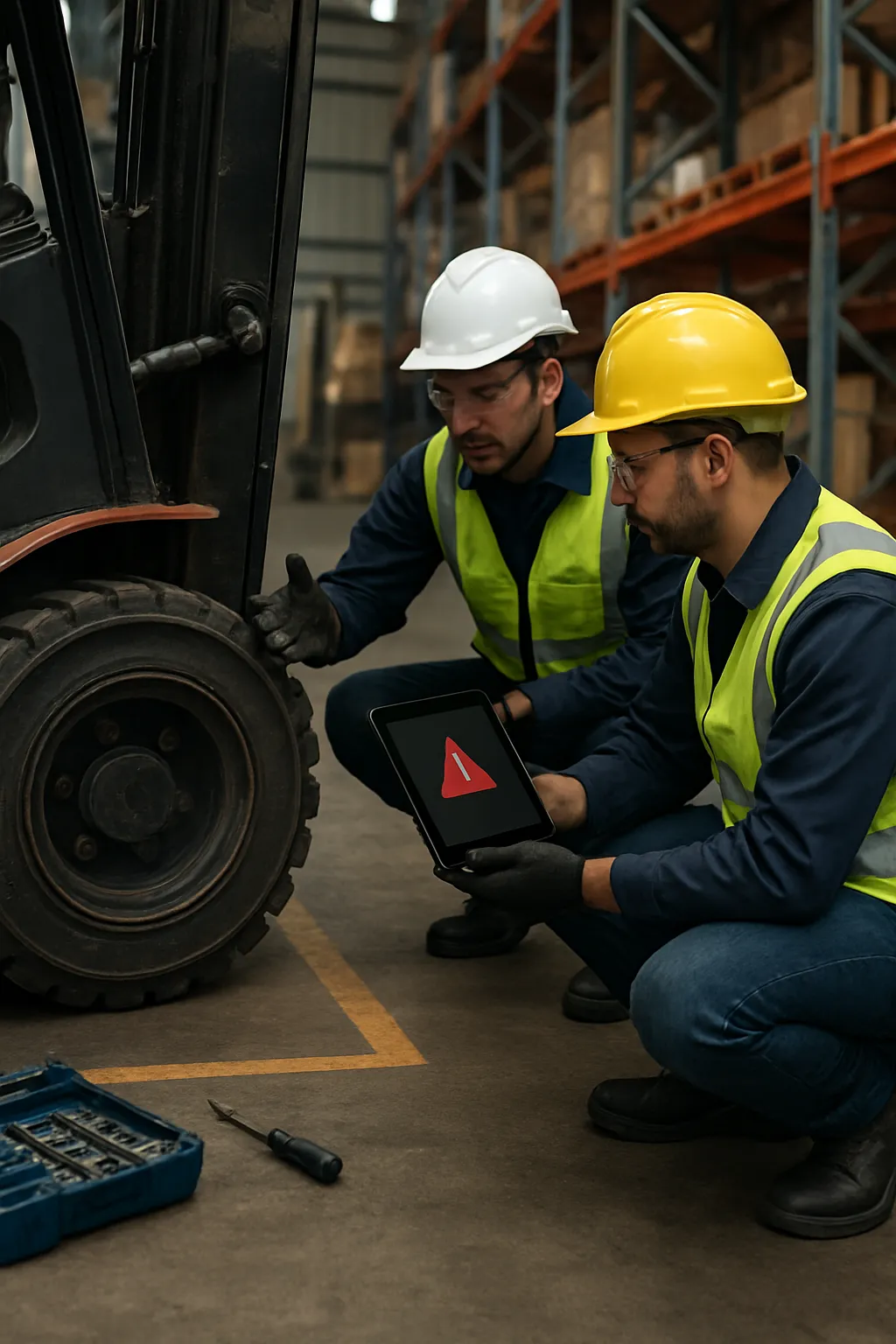
If an operator identifies a hydraulic leak or damaged tire, the issue can be reported instantly.
Maintenance teams receive notifications sooner, allowing repairs to begin before the equipment creates a larger operational problem.
This proactive approach helps reduce
- Equipment downtime
- Emergency repairs
- Workplace incidents
- Unexpected maintenance costs
Small issues are addressed before they become expensive failures.
Improved accountability
Digital systems also increase accountability throughout the organization.
Operator identity
Managers can verify who completed each inspection.
Inspection timing
Digital records show when the inspection was performed.
Equipment history
Teams can confirm which forklift or lift truck was inspected.
Corrective action
Managers can see whether defects were reported and when repairs were completed.
Real-time data supports better decisions
Unlike paper records, digital platforms generate valuable operational insights.
Safety managers can identify
- Frequently reported defects
- High-maintenance equipment
- Inspection completion rates
- Recurring safety concerns
- Fleet reliability trends
This information supports smarter maintenance scheduling and long-term fleet planning.
Rather than reacting to problems after breakdowns occur, businesses can identify patterns and make proactive improvements.


Supporting a modern safety culture
Digital inspections do more than replace paper.
They encourage consistency, improve communication, and reinforce the importance of daily safety checks.
When inspections become faster and easier to complete, operators are more likely to perform them thoroughly rather than viewing them as routine paperwork.
This shift helps create a workplace where safety becomes part of everyday operations rather than simply a compliance requirement.
Preparing for future compliance
As digital recordkeeping becomes increasingly common, many organizations are adopting inspection software to improve operational efficiency while reducing administrative work.
Electronic records are easier to store, search, and share, making them well-suited for multi-site operations and growing fleets.
Companies investing in digital inspection systems today are also preparing for future workplace safety expectations, where electronic documentation and real-time reporting are becoming the industry standard.
- Multi-site records
- Growing fleets
- Faster searches
- Real-time reporting
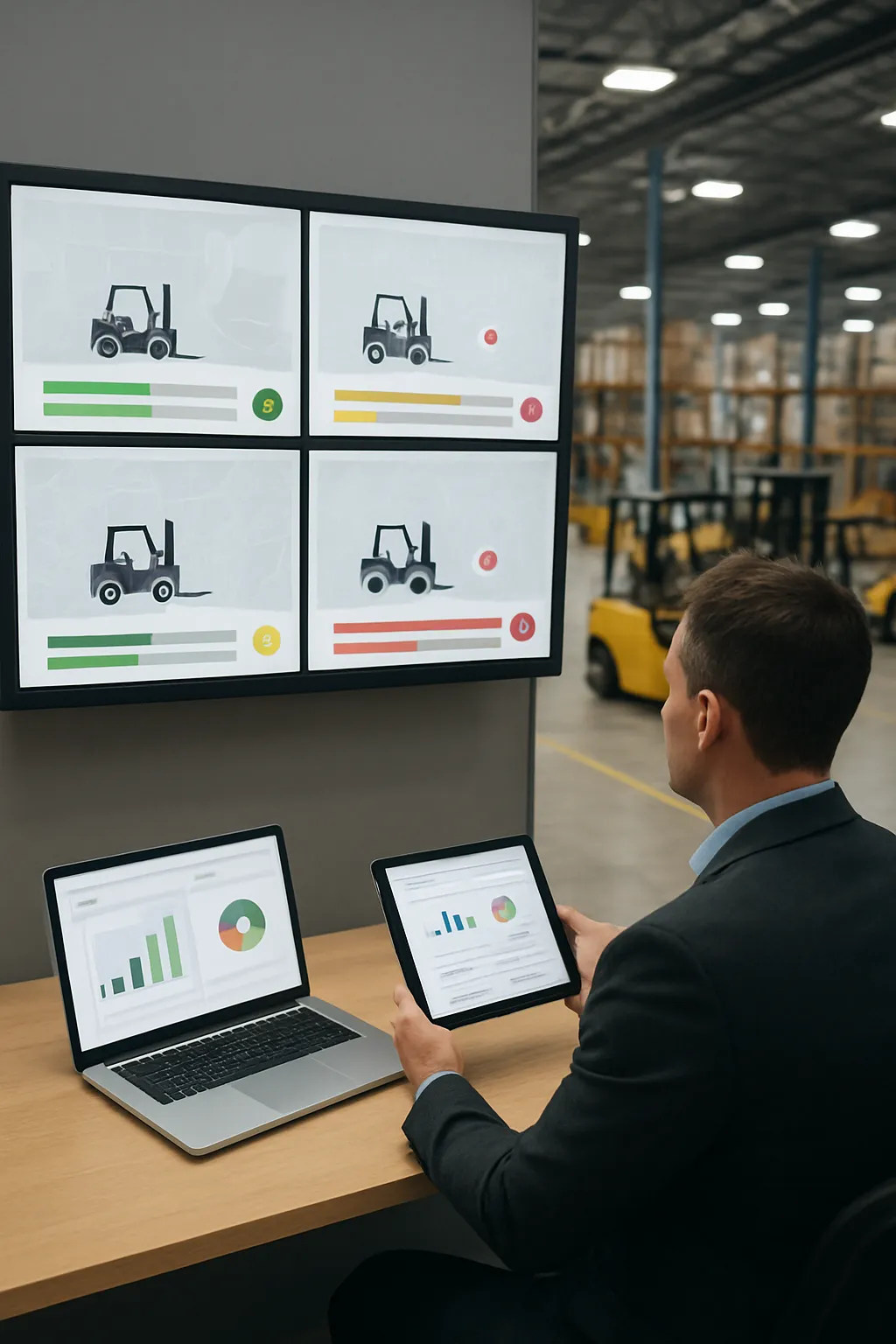
Move from paperwork to reliable inspection records
Paper inspection forms have served the material handling industry for decades, but modern operations require faster, more accurate, and more reliable documentation.
Digital checklists help safety managers improve compliance, streamline maintenance reporting, strengthen accountability, and maintain audit-ready records without the limitations of manual paperwork.
Technology alone, however, is only part of a successful safety program. Safe operations also begin with choosing the right equipment and following proven workplace practices.
For trusted equipment guidance, buying resources, and industry insights, visit Forklift Truck Canada, a national resource for businesses building safer and more efficient forklift operations.