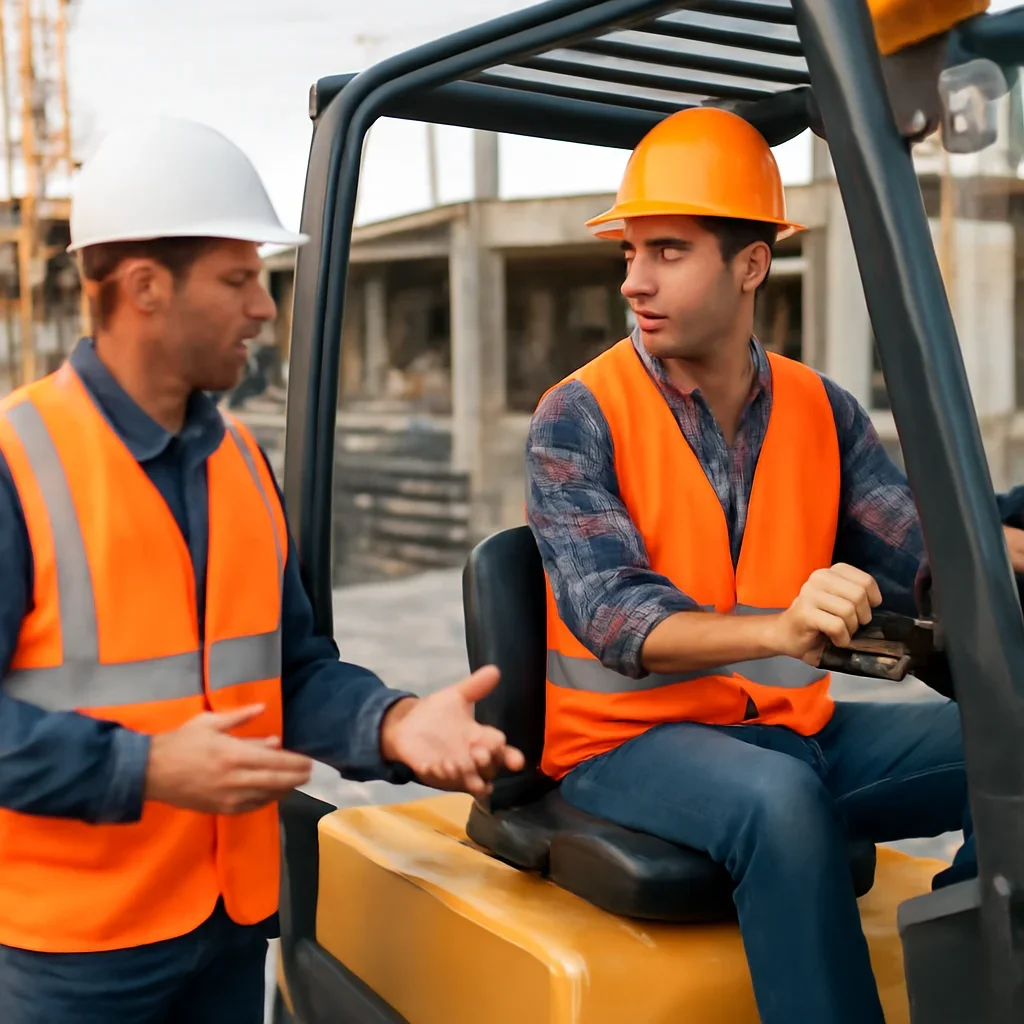
Construction jobsite forklift training should account for changing ground conditions, temporary routes, outdoor storage, project turnover, and the need for practical supervision in the field.
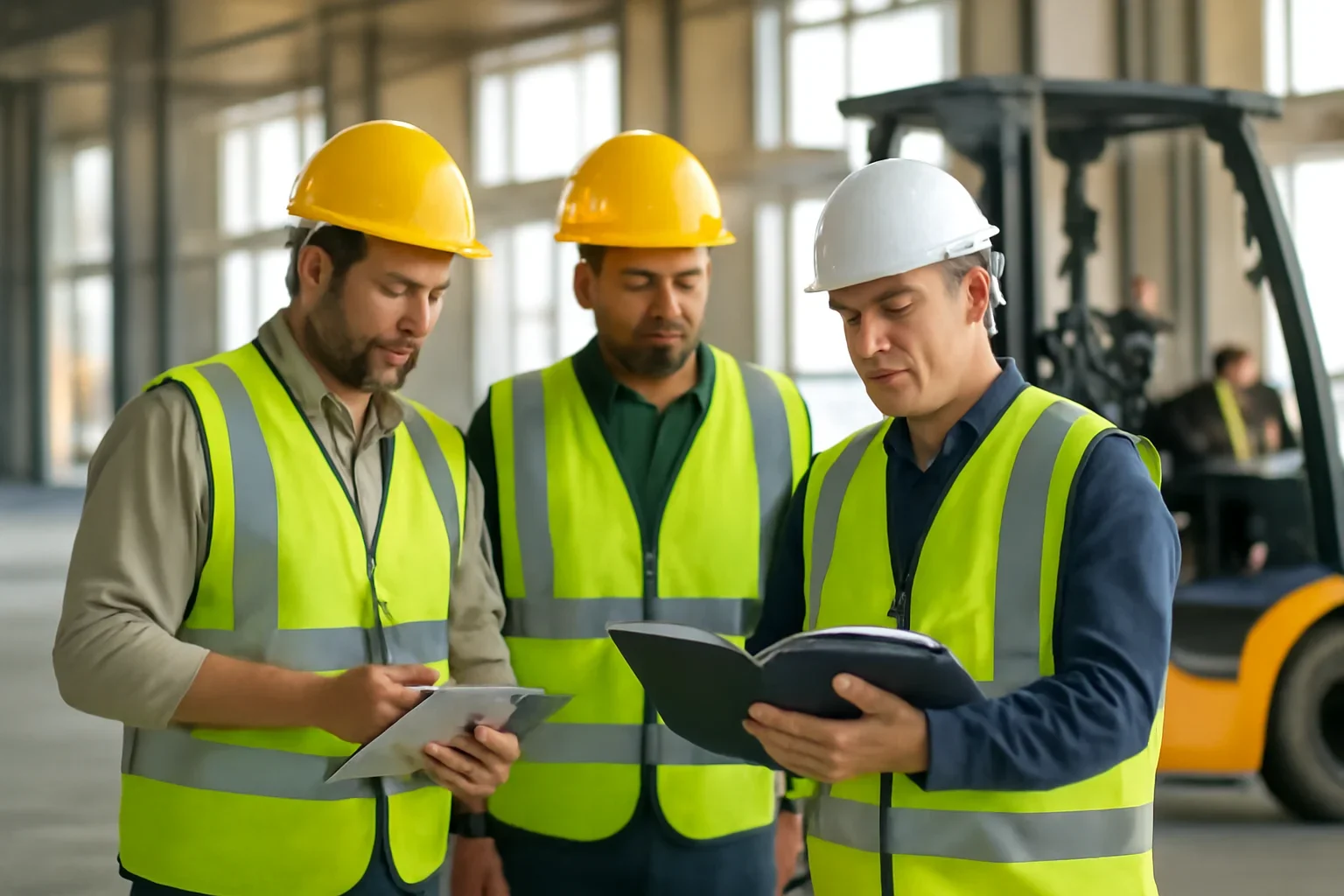
The workplace can change quickly from one project phase to the next, which means site-specific expectations should be clear and documented.
Employers usually benefit from combining formal instruction with direct evaluation in the actual conditions operators will face.
Project movement, supervisor turnover, and multi-site work all make centralized documentation more important.
The workplace can change quickly from one project phase to the next, which means site-specific expectations should be clear and documented.
The goal is not simply to finish training. It is to give the employer a process that stays usable when supervisors change, audits happen, or operators move between roles and locations.
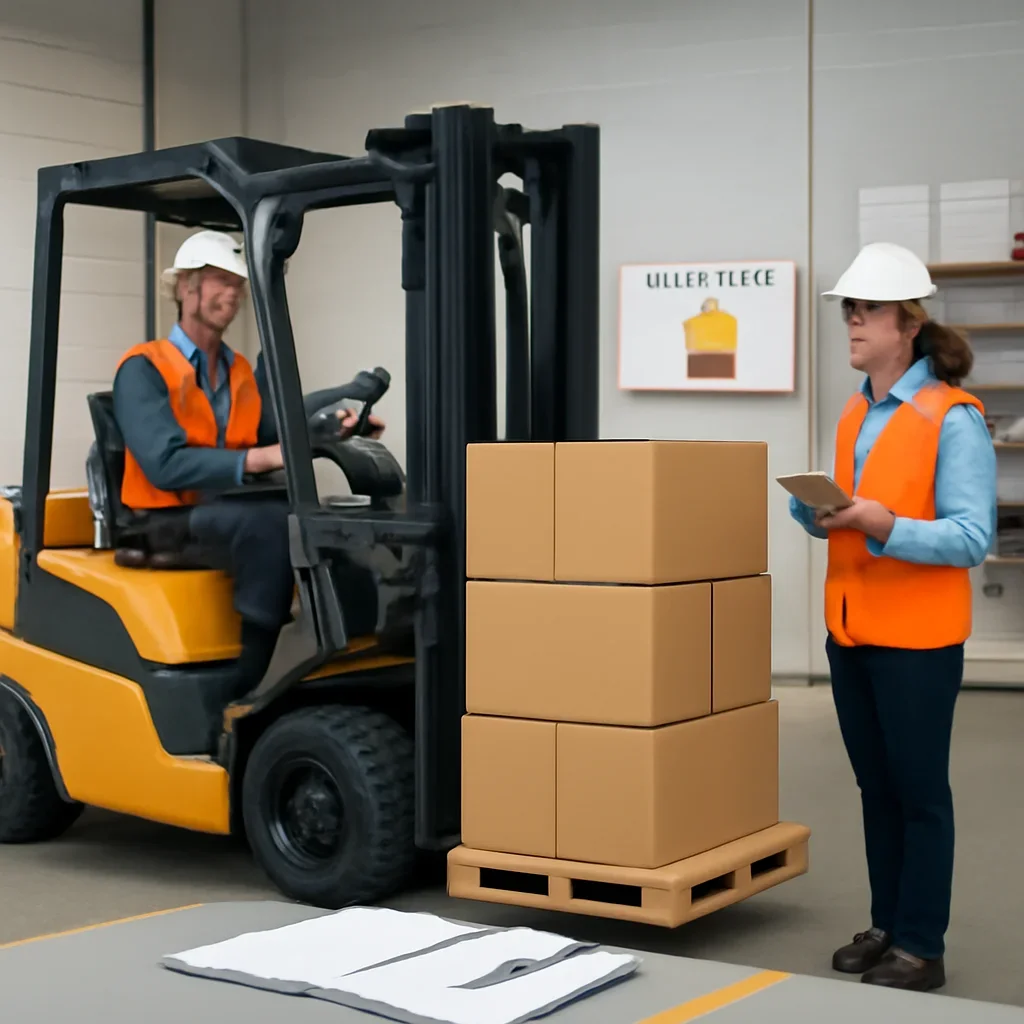
Most forklift training problems become easier to control when the team standardizes assignments, practical evaluations, and record storage instead of managing each piece in a different place.
If this topic is already causing friction in your operation, the fastest next step is usually to connect it to a more reliable workflow through Related pages: construction forklift training, construction industry, and construction contractor solutions.
Share your team structure, recordkeeping process, and the issue you are trying to solve. We will point you toward the right product, service, or support page.