Forklift certification should reflect the type of powered industrial truck the operator is trained to use and the workplace conditions involved. It is not a one-size-fits-all credential for every class or environment.

Different classes bring different controls, operating characteristics, and hazards. Employers should make sure training matches the assigned equipment rather than assuming one course covers everything equally.
Use records that note the truck category, the worksite context, and any site-specific expectations so supervisors can see what was actually covered.
When operators move between departments or equipment, clearer class-based records make it easier to see what additional training or evaluation may be needed.
Different classes bring different controls, operating characteristics, and hazards. Employers should make sure training matches the assigned equipment rather than assuming one course covers everything equally.
The goal is not simply to finish training. It is to give the employer a process that stays usable when supervisors change, audits happen, or operators move between roles and locations.
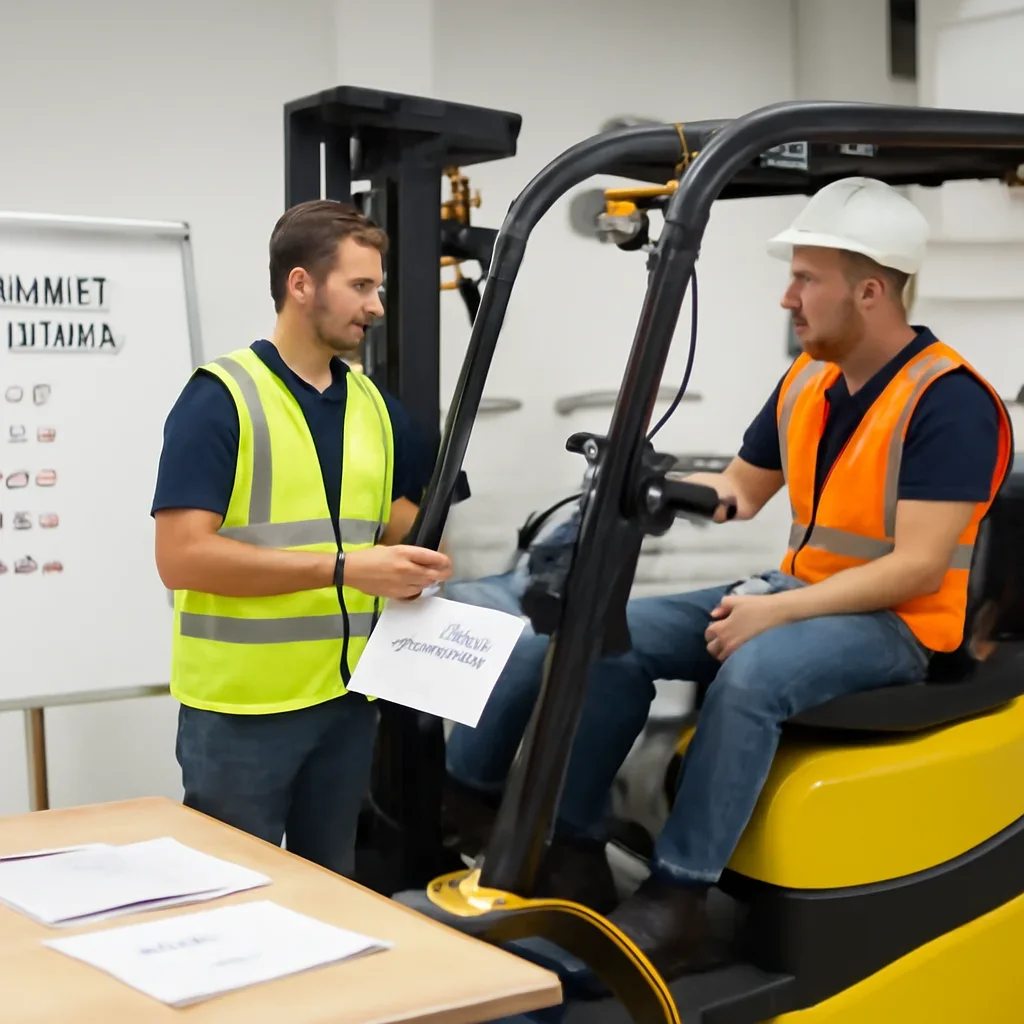
Most forklift training problems become easier to control when the team standardizes assignments, practical evaluations, and record storage instead of managing each piece in a different place.
If this topic is already causing friction in your operation, the fastest next step is usually to connect it to a more reliable workflow through Related pages: forklift classes, classes guide, and forklift training.
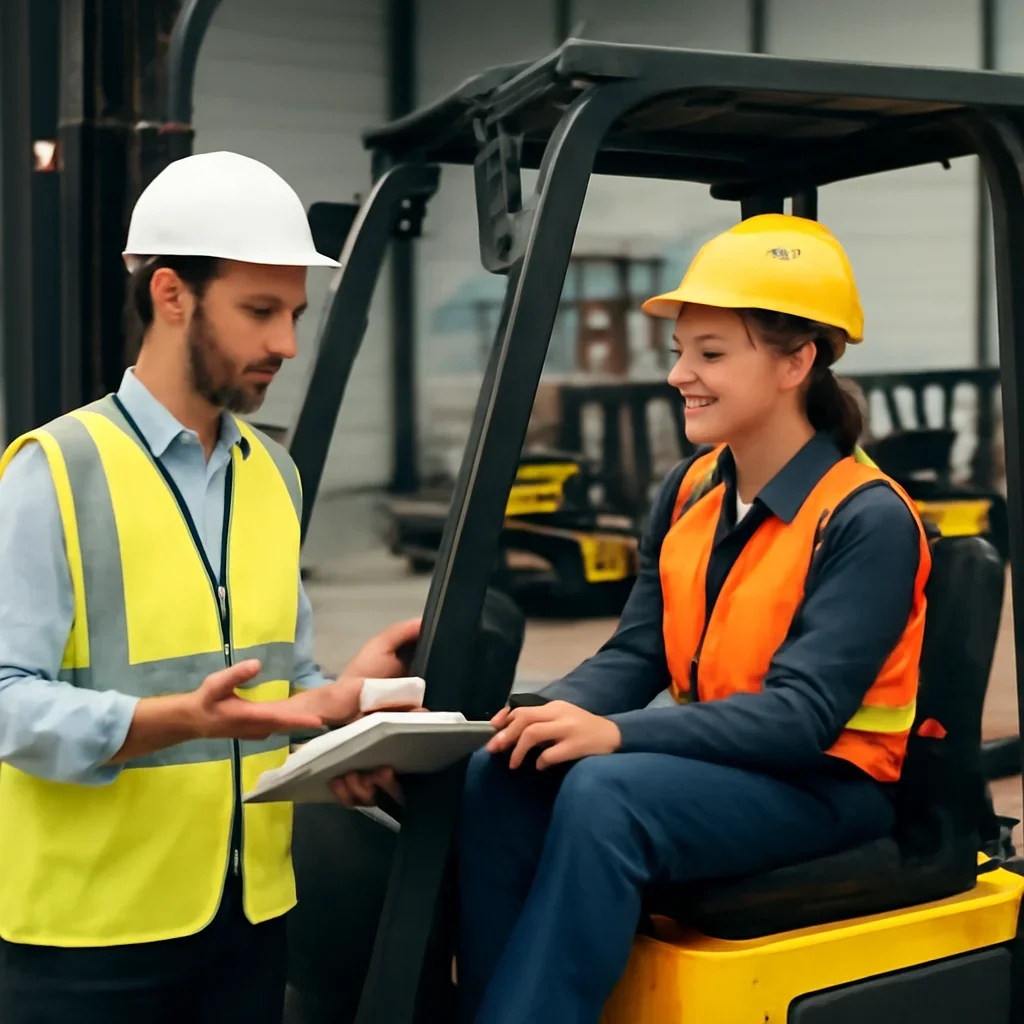
Share your team structure, recordkeeping process, and the issue you are trying to solve. We will point you toward the right product, service, or support page.