Employers should make sure workers receive training they can understand well enough to apply safely in the workplace. For many teams, that means providing Spanish forklift training or another language-accessible pathway instead of relying on one English-only process.
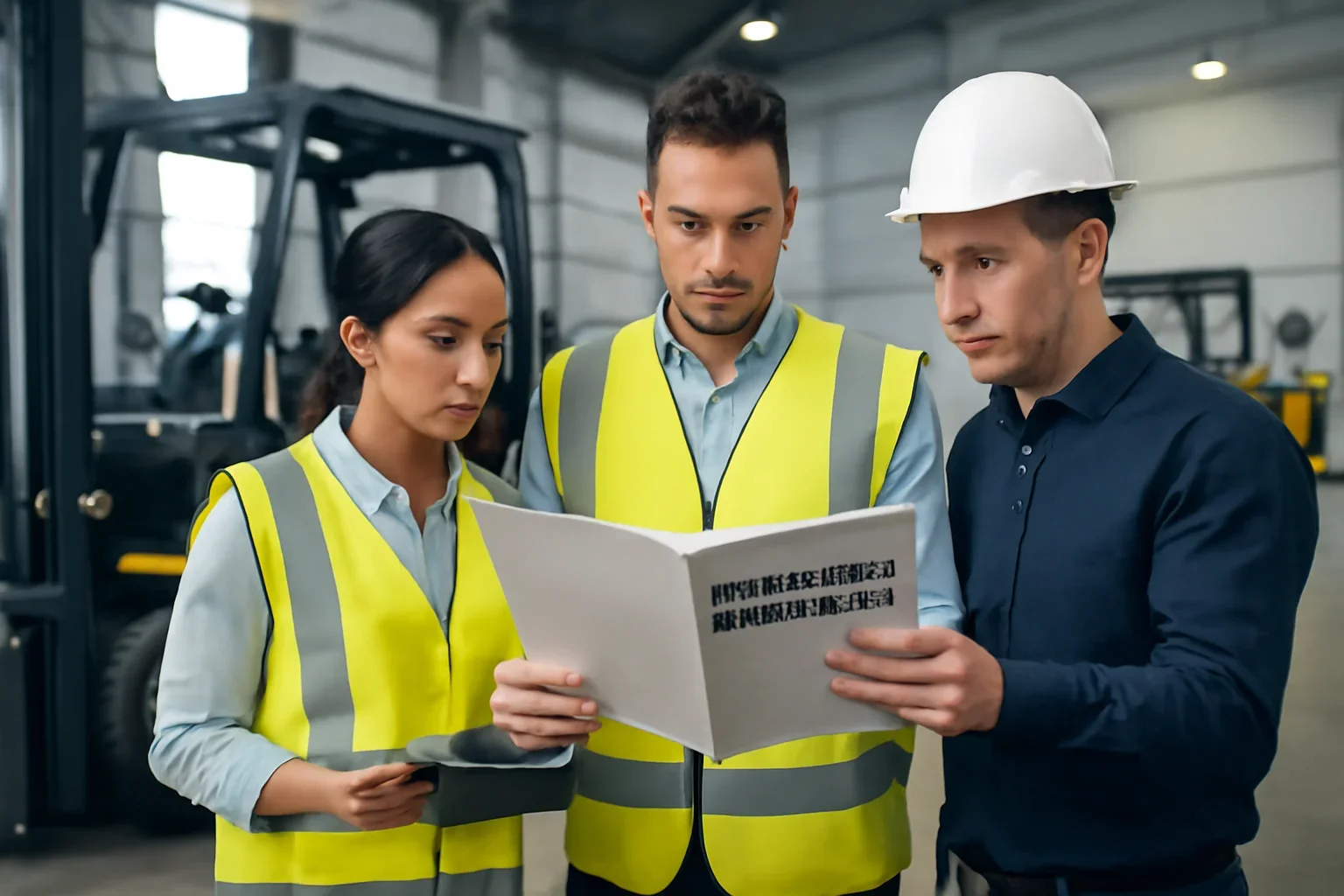
When workers struggle to follow the instruction, supervisors are left guessing what was truly understood. That weakens both the training outcome and the confidence behind the documentation.
A bilingual system lets employers keep one training process while still assigning the language option that fits the operator. That reduces rework and keeps records more consistent.
Track the same completion and evaluation details you would for any operator, while keeping the assignment path clear for supervisors and compliance reviewers.
When workers struggle to follow the instruction, supervisors are left guessing what was truly understood. That weakens both the training outcome and the confidence behind the documentation.
The goal is not simply to finish training. It is to give the employer a process that stays usable when supervisors change, audits happen, or operators move between roles and locations.
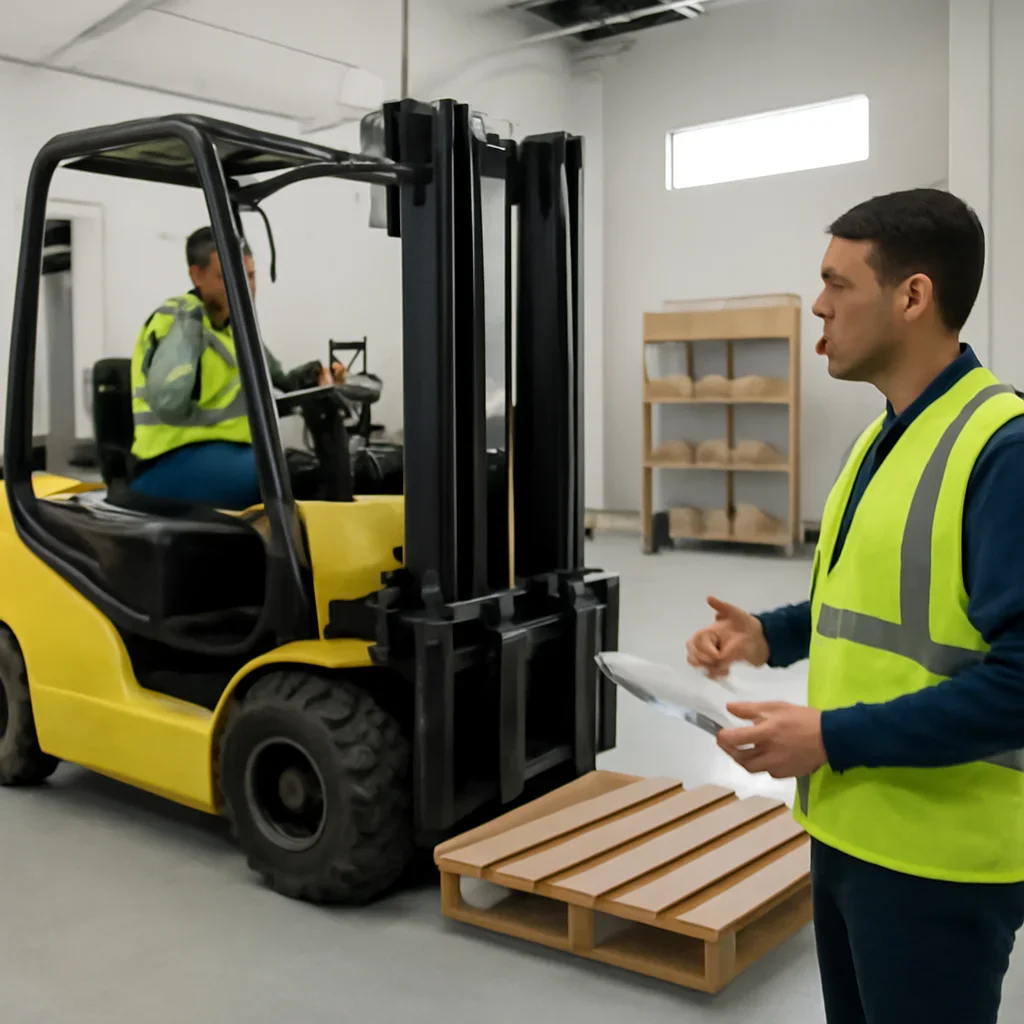
Most forklift training problems become easier to control when the team standardizes assignments, practical evaluations, and record storage instead of managing each piece in a different place.
If this topic is already causing friction in your operation, the fastest next step is usually to connect it to a more reliable workflow through Related pages: Spanish forklift training, Spanish training feature, and Spanish training FAQ.
Share your team structure, recordkeeping process, and the issue you are trying to solve. We will point you toward the right product, service, or support page.